By Nicole Buchanan | March 21, 2026
March 21, 2026
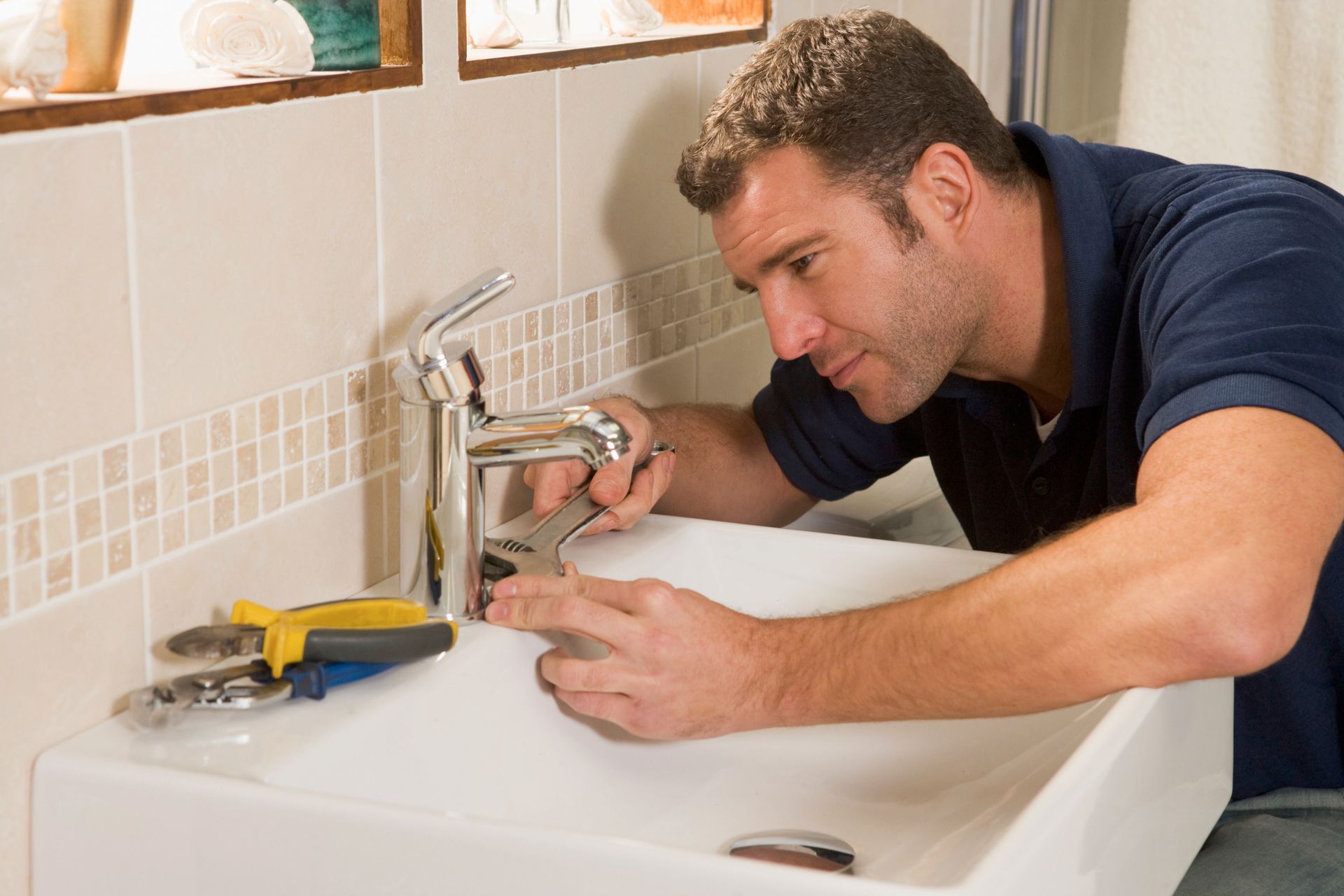
A bathroom renovation often focuses on aesthetics such as tile, lighting, and cabinetry, but the underlying plumbing plays an equally important role in how the space functions. Modern bathrooms now incorporate features designed to improve water efficiency, convenience, and long-term durability. From updated fixtures to advanced drainage and water heating systems, today's options can transform a basic bathroom into a more functional and comfortable environment. Working with professionals who provide plumbing services can help homeowners evaluate existing infrastructure and determine which upgrades fit their goals, space, and budget.
The plumbing industry itself reflects how important these systems are to American homes. According to IBIS World, there were about 128,809 plumbing businesses in the U.S. in 2024. This number highlights the widespread demand for plumbing services and the role they play in maintaining and upgrading residential systems. With so many available options, homeowners can explore a wide range of improvements that enhance both the performance and efficiency of their bathrooms. From water-saving fixtures to smart technology integration, thoughtful plumbing upgrades can significantly elevate the daily experience of using the space.
Because bathrooms are used multiple times throughout the day, even small plumbing upgrades can make a noticeable difference in comfort and efficiency. Carefully chosen fixtures, updated piping, and modern drainage solutions can improve water flow, reduce maintenance concerns, and support a more enjoyable daily routine. Taking the time to evaluate plumbing improvements during a renovation allows homeowners to create a space that looks great while also performing reliably for years to come.
Selecting Water-Saving Bathroom Fixtures
Water efficiency has become one of the most common priorities for homeowners updating their bathrooms. Newer fixtures are designed to reduce water consumption without sacrificing comfort or performance. Many homeowners begin by replacing older fixtures with models that meet modern efficiency standards. Plumbing services often include fixture installation and system evaluations that help determine which products will integrate well with an existing plumbing system. These updates can contribute to reduced utility bills while supporting environmentally responsible water use.
Low-flow showerheads are among the most straightforward improvements. These fixtures limit the amount of water flowing through the shower while maintaining steady pressure through aeration technology. The result is a comfortable shower that uses significantly less water than older models. Over time, the reduced demand for hot water may also lower energy costs associated with water heating. Installing this type of fixture can be a relatively simple upgrade that provides long-term benefits for both homeowners and the environment.
Toilets and faucets also contribute significantly to water usage in the bathroom. Dual-flush toilets offer two flushing options—one designed for liquid waste and another for solid waste—allowing users to control how much water is used each time. Modern faucets frequently include flow restrictions that reduce water output without affecting usability. When installed as part of broader plumbing services, these upgrades can work together to create a more efficient bathroom that conserves water while maintaining the functionality households expect.
Improving Bathroom Drainage Performance
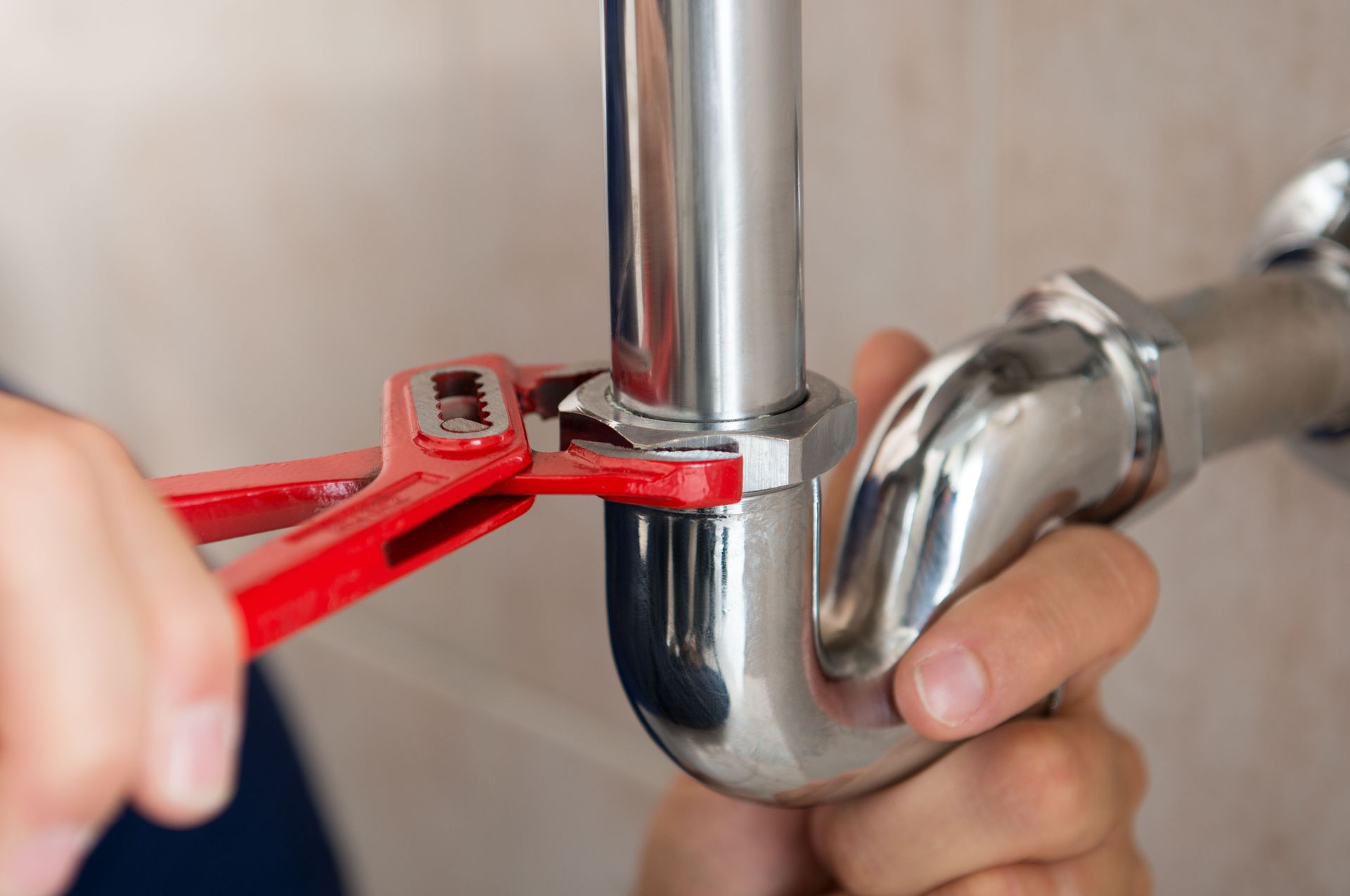
Drainage systems rarely receive attention during bathroom renovations, yet they are critical to preventing water buildup and maintaining a clean environment. Modern drainage designs have evolved to handle water more efficiently while also supporting contemporary bathroom aesthetics. Plumbing services frequently include drain replacement or system adjustments that help optimize water flow and prevent common issues such as slow drainage or clogs.
Linear shower drains have become increasingly popular in modern bathroom layouts. Unlike traditional center drains, these elongated drains span a larger portion of the shower floor, allowing water to flow quickly toward a single channel. This design supports walk-in shower concepts and barrier-free layouts, making the space appear larger and easier to access. The improved drainage performance can also help reduce standing water on tile surfaces, which contributes to safer and more hygienic shower environments.
Sink drainage has also evolved with new technologies and improved designs. Pop-up drains allow users to open and close the drain with a simple press, eliminating the need for traditional stoppers and pull rods. Some systems even incorporate self-cleaning mechanisms designed to flush debris away before clogs develop. Integrating these features through plumbing services can reduce maintenance requirements and support consistent drainage performance throughout the bathroom.
Installing High-Performance Water Heating Systems
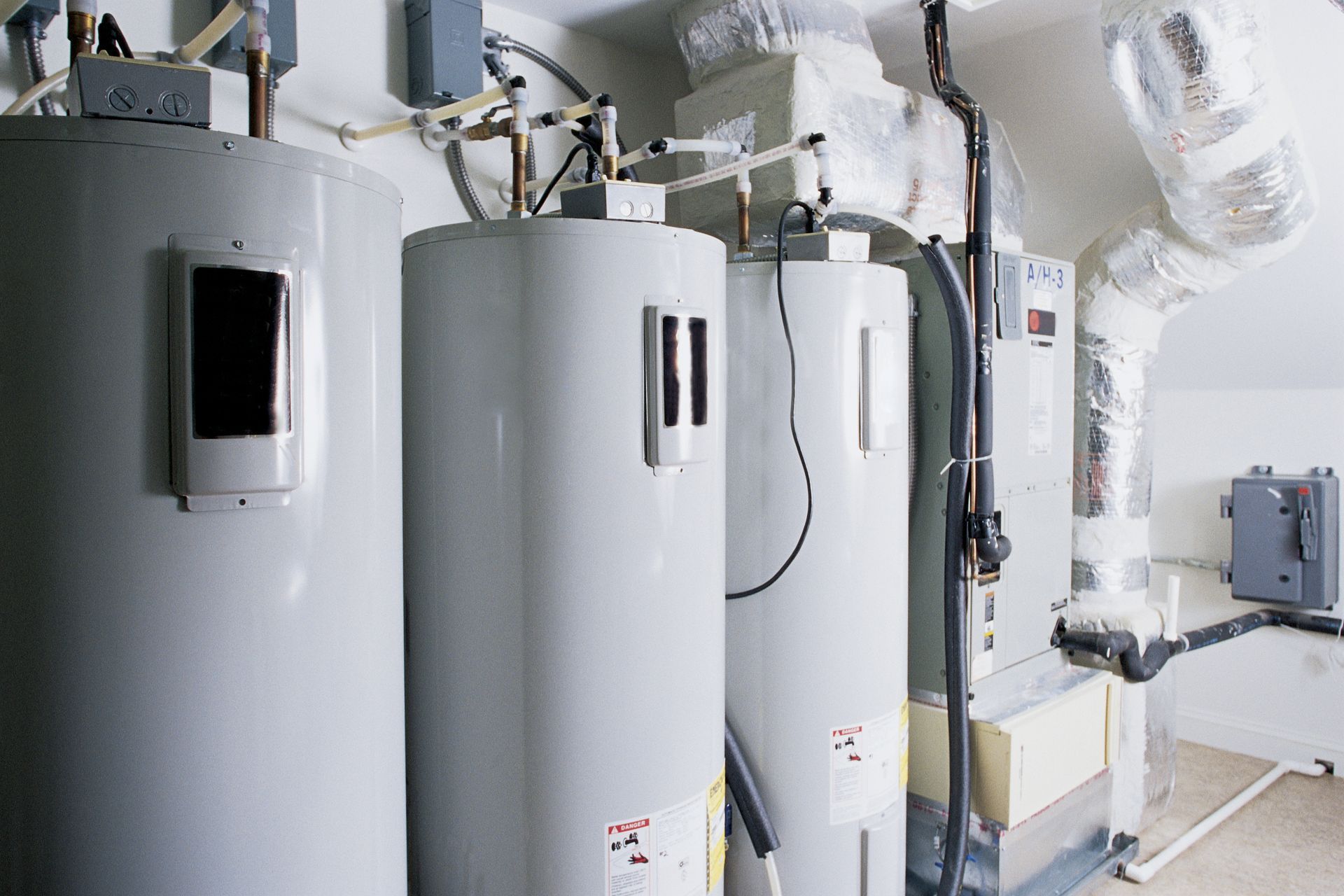
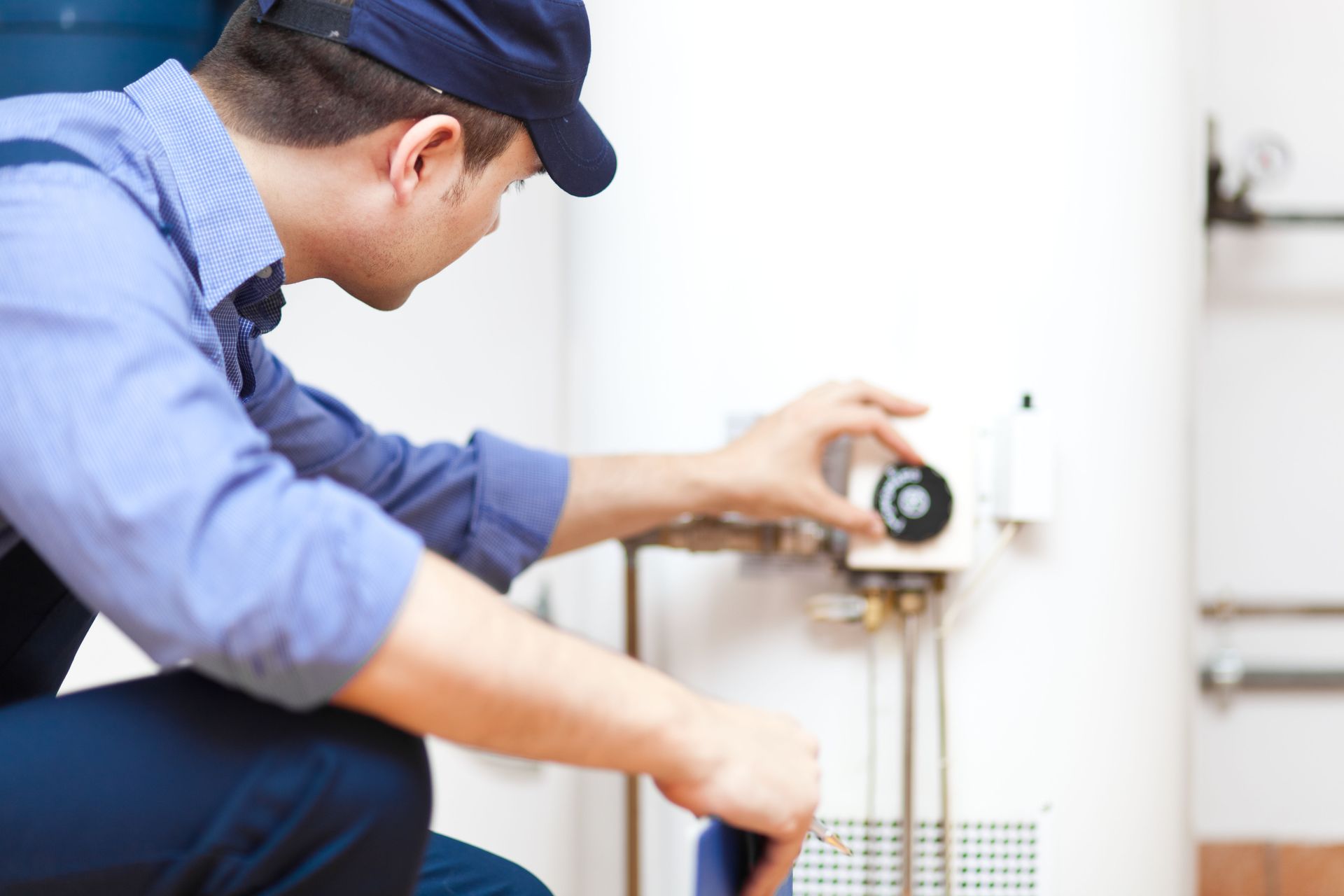
Hot water availability plays a major role in bathroom comfort, particularly for showers and bathtubs. When planning a bathroom upgrade, homeowners often explore modern water heating systems that deliver consistent temperatures while using energy more efficiently. Plumbing services frequently include the installation or replacement of water heaters, allowing homeowners to select equipment that better matches their household's usage patterns.
Tankless water heaters have become a widely discussed alternative to traditional tank systems. Instead of storing heated water, these units warm water on demand as it flows through the system. This approach eliminates standby heat loss and allows homeowners to enjoy continuous hot water without running out during extended use. Because tankless units are compact, they can also free up space in utility areas, making them an appealing choice during renovations that prioritize efficient layouts.
Hybrid heat pump water heaters and solar heating systems represent additional options for homeowners interested in energy efficiency. Hybrid units use electricity to transfer heat rather than generate it directly, which reduces energy consumption. Solar-powered systems capture heat from sunlight to warm water stored in a tank. When installed as part of broader plumbing services, these technologies can contribute to long-term savings while supporting environmentally conscious home improvements.
Integrating Smart Bathroom Plumbing Technology
Technological innovation has begun to reshape how plumbing systems operate within modern homes. Smart devices now allow homeowners to monitor water use, control temperature settings, and receive alerts about potential leaks. Plumbing services increasingly include the installation of these systems as more homeowners explore ways to add convenience and automation to their bathrooms.
Smart toilets are one of the most noticeable examples of technology entering bathroom design. These units often include features such as automatic flushing, heated seats, and built-in bidet functions. Some models also provide user-customizable settings and energy-saving modes that adapt to household routines. The integration of these features transforms the bathroom experience while adding functionality that older plumbing fixtures cannot provide.
Leak detection sensors represent another practical addition. These small devices are placed near plumbing fixtures and appliances to monitor for moisture. If a leak occurs, the sensor sends an alert to a smartphone or connected home system, allowing homeowners to address the issue before significant damage develops. Incorporating this technology during plumbing services can help reduce the risk of costly repairs while giving homeowners greater awareness of how their plumbing system performs.
Upgrading the plumbing in your bathroom can dramatically influence how the space functions daily. Improvements such as water-saving fixtures, updated piping systems, efficient drainage solutions, and modern water heaters all contribute to a bathroom that performs more effectively. Incorporating smart technology and carefully planning the layout can further enhance convenience and reduce maintenance concerns.
If you are planning a bathroom renovation or exploring ways to improve your home's water systems, consider speaking with professionals who provide
plumbing services. A knowledgeable team can evaluate your current setup, discuss upgrade options, and help you move forward with improvements that match your goals. Taking the time to plan the right upgrades today with Service Solutions can lead to a bathroom that delivers dependable performance and lasting value for years to come.