By Nicole Buchanan | February 19, 2026
February 19, 2026
Water conservation has become a significant concern in our world today. As resources dwindle, the efficient use of water is not only an environmental necessity but also an economic one. Professional plumbing services provide invaluable support to households and businesses looking to reduce their water usage. These experts have the tools and expertise to identify sources of water wastage and suggest efficient solutions. By partnering with a plumbing company, individuals and organizations can make meaningful strides towards sustainability.
Plumbing companies are equipped with advanced technology and knowledge to reduce your water usage. Many leaks or inefficiencies in water systems are undetectable without professional help. Leveraging expert advice ensures not only that water consumption is minimized but also that it aligns with environmental protection goals. With proper adjustments, homes and businesses can experience significant water savings. The role of plumbing companies in this regard is crucial, as they guide efforts in both water conservation and waste reduction.
An evolving understanding of water usage emphasizes the importance of sustainable practices. A professional plumbing company can provide guidance and practical strategies to optimize water systems. These measures extend beyond immediate water savings; when carried out effectively, they lead to long-term eco-friendly practices and economic benefits. Individuals must recognize the vital part they play in conserving resources. Plumbing companies serve as essential partners in this journey towards sustainable living.
Identifying and Repairing Leaks
1.1 Detecting Hidden Leaks
Hidden leaks can contribute significantly to water wastage, often going unnoticed until they become major problems. According to Plumbing Manufacturers International, 400 gallons of water a day equals the average amount used by a family of four in the United States. A professional plumbing company can use specialized equipment to detect these invisible leaks. Advanced tools, like acoustic listening devices and thermal imaging, help locate problematic areas without invasive techniques. Once identified, addressing these leaks can save a substantial amount of water each year. This not only conserves water but also reduces monthly water bills for homes and businesses.
1.2 Efficient Leak Repair Techniques
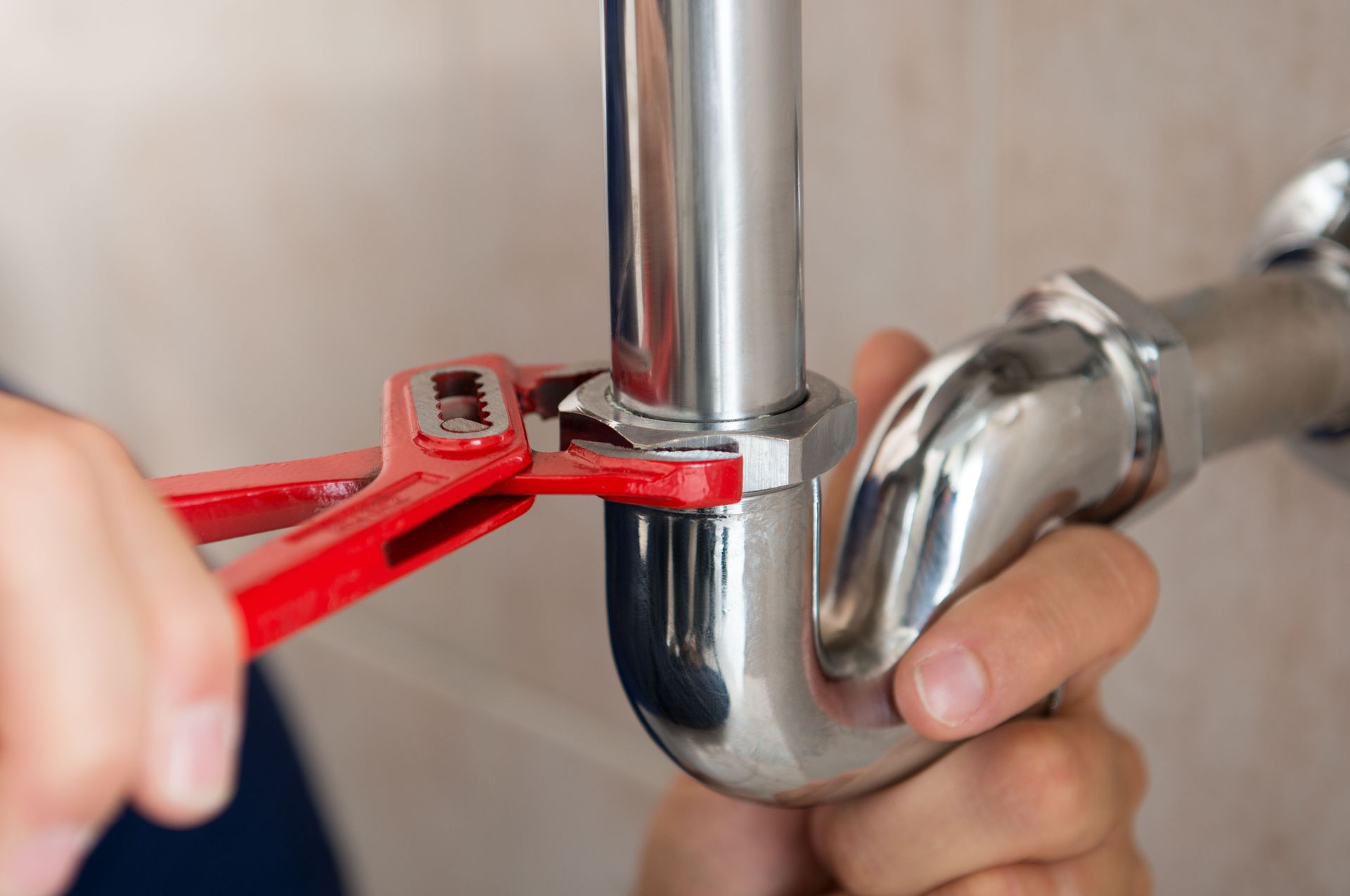
Once a leak has been identified, efficient repair techniques are crucial. Plumbing professionals use methods tailored to specific types of leaks, ensuring repairs are both effective and long-lasting. Addressing leaks promptly prevents further damage, which can lead to more costly repairs and excessive water waste. Efficiency in repair reflects a plumber's experience, ensuring minimal disruption to everyday life. These techniques are vital for sustainable water management.
1.3 Utilizing Advanced Leak Detection Technologies
Advanced technologies have revolutionized leak detection, making it more precise and less intrusive. Innovative tools like pressure sensors and digital moisture meters provide accurate assessments without unnecessary damage to property. This high precision not only saves time but also reduces water wastage. With the aid of technology, a plumbing company can diagnose and fix issues more rapidly. Such advancements illustrate the ever-evolving nature of plumbing solutions aimed at conservation and efficiency.
1.4 Importance of Timely Repairs
Timely repairs are crucial in minimizing the adverse effects of leaks. Delays in addressing leaks can lead to increased water wastage and property damage. For instance, a small dripping faucet can waste hundreds of gallons over time if left unattended. Addressing issues immediately prevents escalation to more severe water wastage situations. Partnering with a plumbing company that values timeliness can assist in achieving sustainable water usage goals.
1.5 Preventative Measures to Avoid Future Leaks
Preventative measures play a pivotal role in avoiding future leaks and maintaining efficient water systems. Regular system check-ups and maintenance are essential in identifying potential weaknesses early on. Implementing preventative strategies, such as proper insulation and modern fittings, reduces the risk of leak occurrences. A proactive approach ensures long-term water conservation and cost savings. Hiring professionals for regular assessments is a wise investment for any property owner.
Installing Water-Efficient Fixtures
2.1 Benefits of Low-Flow Toilets
Low-flow toilets are an effective solution for reducing water usage in homes and businesses. Older toilets can use up to 3.5 gallons per flush, whereas low-flow models use about 1.28 gallons or less. By making this transition, the reduction in daily water consumption is substantial. Over time, this results in significant savings on water bills. The environmental benefit of this lower usage also compounds as adoption increases across communities.
2.2 Selecting Water-Efficient Showerheads
Choosing water-efficient showerheads is another practical step towards conserving water at home. These showerheads are designed to maintain adequate water pressure while reducing overall flow. With an average family of four in the United States using about 400 gallons of water daily, efficient showerheads would result in immediate savings. This solution balances comfort with conservation, ensuring users are satisfied without excessive water usage. A plumbing company can advise on the best models for specific needs and preferences.
2.3 Installing Faucet Aerators
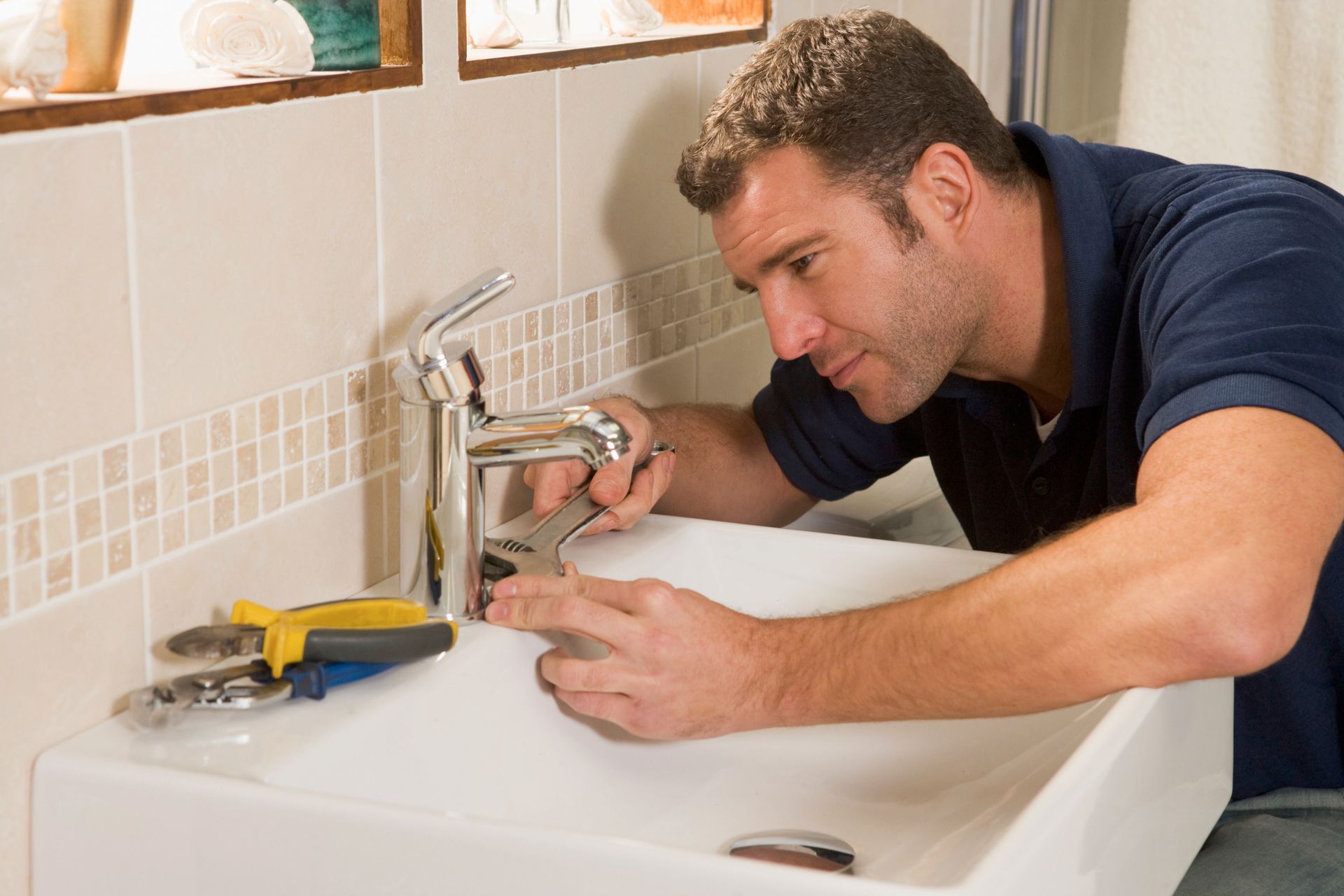
Faucet aerators are a simple yet effective tool for cutting water usage in bathrooms and kitchens. They mix air with water, reducing the flow without sacrificing pressure. This little attachment can significantly cut down on water waste without an apparent change in utility. Given their low cost and ease of installation, aerators offer a quick return on investment. Utilizing such efficient measures reflects a commitment to responsible water usage in everyday tasks.
2.4 Exploring Dual-Flush System Options
Dual-flush systems provide users with the flexibility to choose the amount of water used per flush. They have separate flush modes, typically using between 0.8 and 1.6 gallons per flush, depending on the need. This adaptability offers significant water savings while maintaining functionality and convenience. The dual-flush system allows users to engage in mindful water use without compromise. The technology represents an effective balance between necessity and conservation.
2.5 Retrofitting Traditional Fixtures for Efficiency
Retrofitting traditional plumbing fixtures is an excellent opportunity to elevate performance and efficiency. Professional plumbers can adapt old systems to meet new efficiency standards, significantly reducing water use. This may include replacing components with greener alternatives or updating entire systems where applicable. The focus on retrofitting illustrates a commitment to sustainability by updating existing infrastructure. This solution validates the longevity of older systems by aligning them with modern environmental needs.
Optimizing Irrigation Systems
3.1 Analyzing Existing Irrigation System Efficiency
The evaluation of existing irrigation systems is crucial to enhance water conservation in large landscapes. A plumbing company can audit these systems, ensuring they operate at peak efficiency. Such audits highlight areas of wastage or inefficiencies that need addressing. Updating irrigation processes involves both improving components and recalibrating the amount and timing of water delivery. This step towards optimization represents a proactive approach in managing landscapes responsibly.
3.2 Drip Irrigation vs. Traditional Sprinklers
Switching from traditional sprinklers to drip irrigation can vastly improve water efficiency in landscaping. Drip systems deliver water directly to plant roots, minimizing evaporation and runoff. This pinpoint methodology not only conserves water but also boosts plant health. It allows for lower overall water usage while ensuring optimal hydration levels. The choice between these systems often depends on the specific landscaping requirements and conservation goals.
3.3 Smart Irrigation Controllers
Implementing smart irrigation controllers in water management systems aligns with high-tech water conservation solutions. These devices use weather data and soil moisture monitoring to adjust watering schedules automatically. By providing water only when necessary, smart controllers prevent overwatering and unnecessary usage. Integration of such technology illustrates a forward-thinking commitment to managing water resources wisely. Efficient water management with smart controls reflects the future of irrigation.
3.4 Seasonal Adjustments for Watering
Seasonal adjustments in irrigation systems are essential to maximizing water efficiency throughout the year. Different seasons require varied watering needs to adapt to prevailing climate conditions. Adjusting systems to reflect these changes ensures optimal resource use. For example, less watering may be required during cooler months compared to summer. Seasonal calibration demonstrates a responsive and sustainable approach to water management in landscapes.
In conclusion, plumbing companies play a critical role in helping reduce excess water usage. From identifying and repairing leaks to installing efficient fixtures and optimizing irrigation systems, their expertise is invaluable. Educating clients and providing innovative solutions like greywater systems and regular maintenance strategies highlight their contributions. By actively engaging with these services, households and businesses not only save on water bills but also contribute to environmental conservation efforts. Embracing these strategies ensures a sustainable future with ample benefits for individuals, communities, and the planet. Reach out to Service Solutions today to see how we can help you!