By Nicole Buchanan | March 17, 2026
March 17, 2026
Choosing the right water heater affects more than just how quickly hot water reaches the tap. It can influence monthly energy bills, daily comfort, maintenance requirements, and even the amount of space available in utility areas of the home. Modern households often weigh the benefits of tankless water heaters against traditional storage systems when planning upgrades or replacements. Each option offers unique advantages depending on how much hot water a household uses, the layout of the home, and long-term budget considerations. Many homeowners consult plumbing companies to better understand how each system would function within their existing plumbing infrastructure.
Tankless and standard water heaters operate in very different ways, which leads to differences in efficiency, installation requirements, and long-term operating costs. Understanding these distinctions can make it easier to choose a system that aligns with household routines and expectations. While both technologies provide dependable hot water, the ideal choice depends on factors such as family size, energy priorities, and available installation space. Exploring the practical differences between the two options can help homeowners approach conversations with plumbing companies with greater clarity and confidence when it comes time to select a new system.
Understanding Water Heater Basics
Tankless water heaters function by heating water only when it is needed. Instead of storing heated water in a tank, the unit activates when a hot water tap is turned on and quickly warms the water as it passes through the system. This design eliminates standby heat loss, which occurs when stored water gradually cools and must be reheated. The compact size of tankless units also makes them appealing for homes with limited utility space or those looking for a more modern mechanical setup.
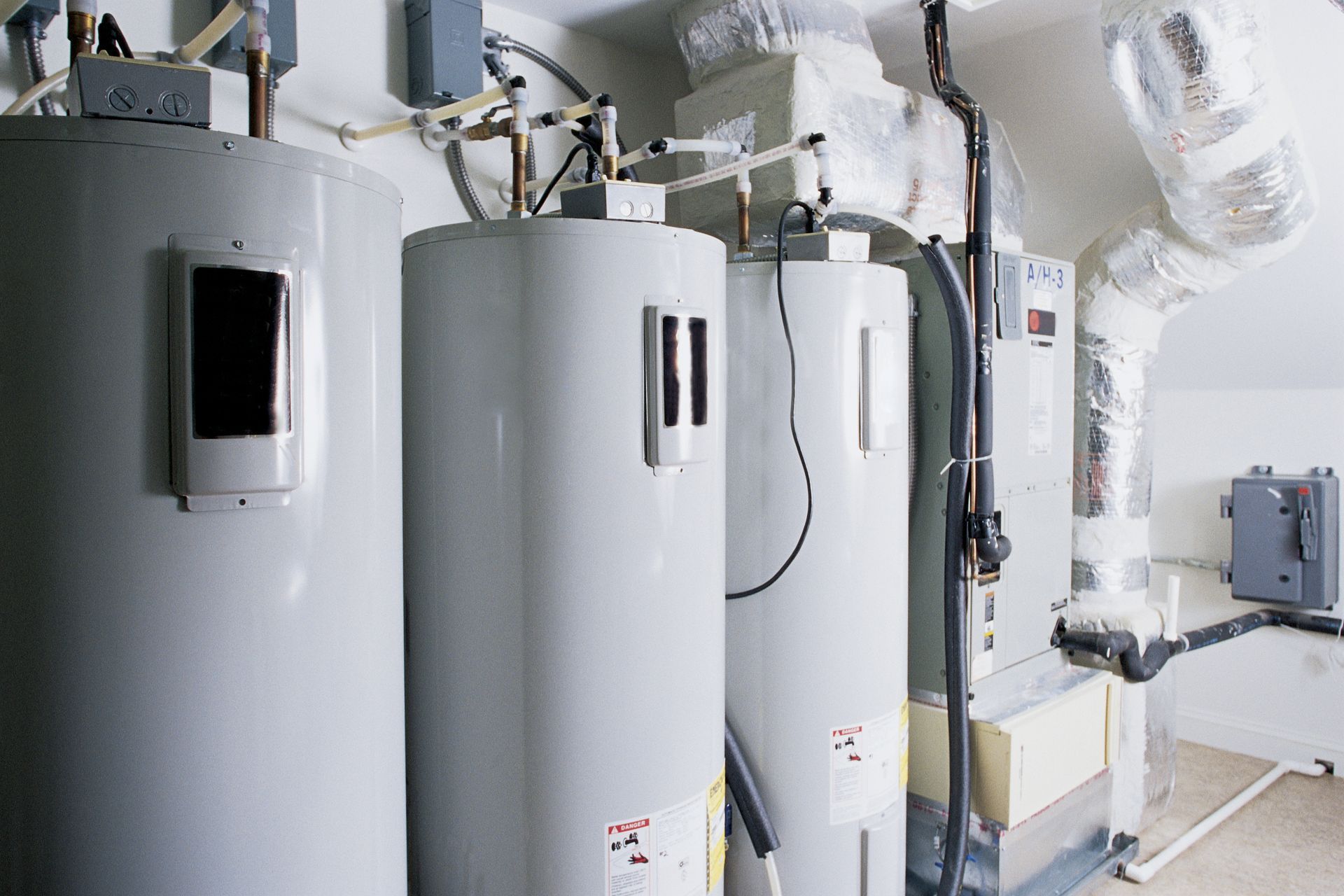
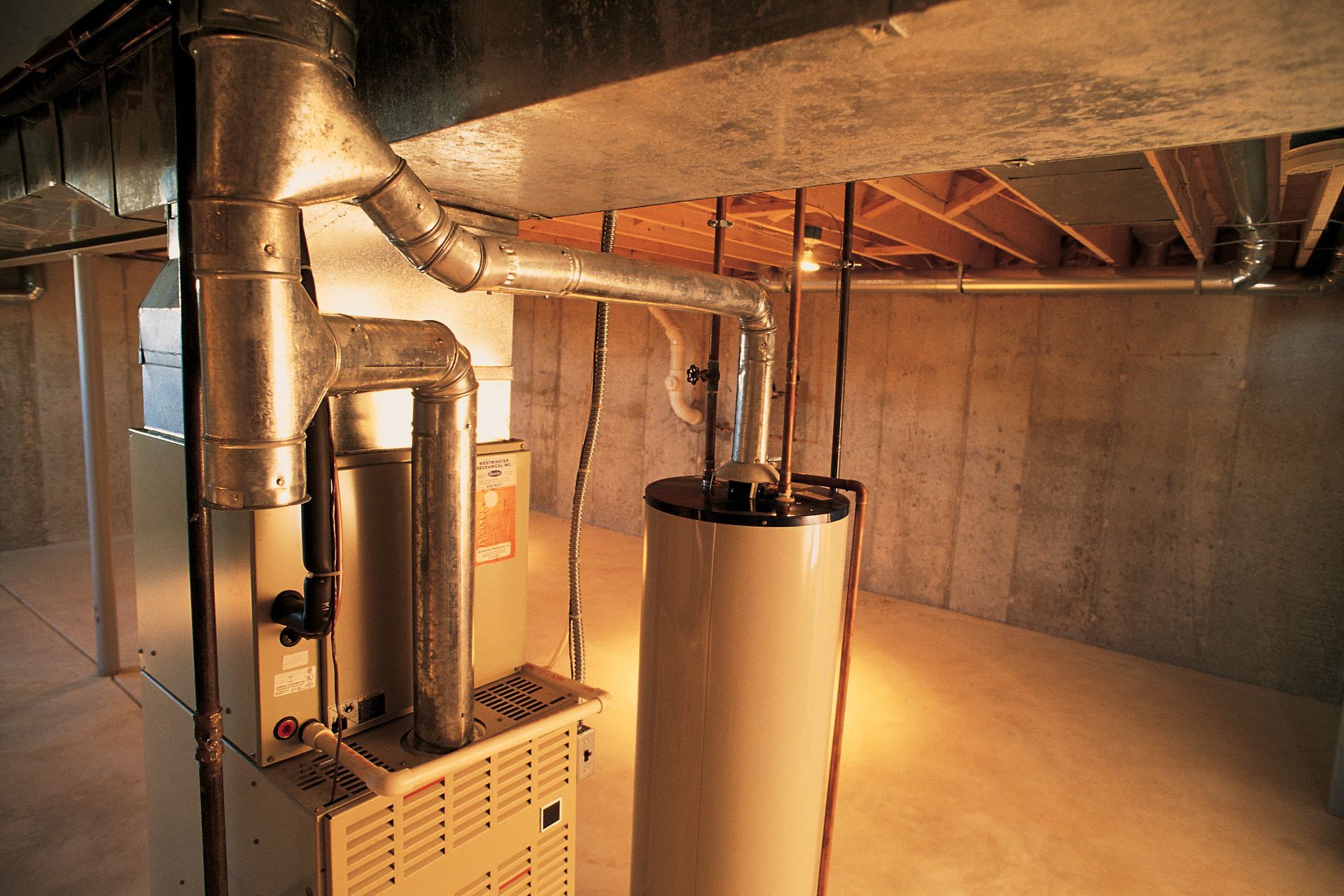
Standard water heaters, sometimes called storage water heaters, operate with a large insulated tank that stores heated water until it is needed. The tank is continuously maintained at a preset temperature, so hot water is immediately available whenever a faucet or appliance calls for it. This design has been used for decades and remains common in many homes because the equipment and installation methods are widely familiar to technicians and plumbing companies alike. The straightforward setup often allows homeowners to replace older systems with minimal modifications.
The key difference between the two systems lies in how water is heated and delivered. Tankless models produce hot water on demand, while standard systems provide a stored supply that gradually replenishes as the tank refills and reheats. Homes that frequently run multiple hot water fixtures at once may find that storage systems handle simultaneous demand more easily, while tankless systems often appeal to homeowners looking to reduce energy waste associated with maintaining a full tank of hot water around the clock.
Evaluating Energy Efficiency
This is one of the most common reasons homeowners explore tankless water heaters. Because the unit heats water only when it is needed, it avoids the standby heat loss that occurs with storage tanks. This approach can reduce energy consumption, particularly in households that use moderate amounts of hot water throughout the day. Over time, the reduction in wasted energy can make a noticeable difference in utility costs and overall household energy use.
Traditional water heaters consume energy more consistently because they must maintain the temperature of the water stored in the tank. Even when hot water is not being used, the system periodically reheats the water as it cools. Although modern storage models are more efficient than older designs, the ongoing heating cycle still contributes to higher overall energy usage compared with on-demand systems. Homeowners often discuss these differences with plumbing companies when comparing long-term operating costs.
Another factor to consider is system lifespan. According to the U.S. Department of Energy, tankless water heaters can last more than 20 years, compared to storage water heaters that will need to be replaced after 10 to 15 years. This difference in longevity often contributes to the appeal of tankless models for homeowners who want to invest in equipment that will remain in place for a longer period. A longer lifespan can also influence the overall energy footprint of the home because fewer replacements mean fewer materials entering the waste stream over time.
Comparing Maintenance and Longevity
Routine maintenance plays an important role in keeping any water heater operating effectively. Tankless systems typically require periodic flushing to remove mineral buildup, especially in areas with hard water. This process helps maintain proper heat transfer and water flow within the unit. Annual inspections may also include checking internal components and cleaning filters to keep the system functioning efficiently over time.
Standard water heaters also require maintenance, although the procedures are somewhat different. Sediment can accumulate at the bottom of the storage tank over time, which may reduce heating efficiency and eventually damage internal components. Periodically draining the tank helps remove this buildup and maintain proper operation. Technicians may also inspect the anode rod, which protects the tank from corrosion and plays a key role in extending the life of the system.
When comparing durability, tankless systems often stand out because of their longer service life and replaceable internal components. Storage water heaters tend to have a shorter lifespan due to constant exposure to heated water inside the tank. Many homeowners discuss maintenance expectations with plumbing companies when deciding which system aligns better with their long-term home maintenance plans.
Considering Household Needs and Preferences
Every household uses hot water differently, and those patterns often determine which system works best. Homes with smaller families or irregular hot water usage may benefit from tankless units that heat water only when it is needed. This type of system works well when hot water demands are spread throughout the day rather than concentrated in a short period.
Larger households sometimes prefer storage water heaters because they provide a reserve of heated water ready for simultaneous use. Morning routines that involve multiple showers, laundry cycles may place heavy demand on hot water systems. In these situations, homeowners often discuss capacity and recovery rates with plumbing companies to identify the system that can support the household's busiest times of day.
Lifestyle preferences also influence the decision. Some homeowners prioritize energy conservation and modern technology, which often leads them toward tankless models. Others prefer the familiarity and predictable performance of traditional storage systems. Considering family routines, long-term home plans, and comfort expectations helps narrow down the most suitable option for each household.
Deciding between a tankless and a standard water heater involves weighing multiple factors, including energy efficiency, installation requirements, maintenance expectations, and long-term costs. Tankless systems appeal to homeowners who value on-demand heating, compact equipment, and extended service life. Storage water heaters continue to offer dependable performance, simpler installation, and lower upfront costs, which makes them a practical choice for many homes. Understanding how each system works helps homeowners evaluate which option fits their daily routines and financial priorities.
Speaking with knowledgeable
plumbing companies can make the decision process far easier, especially when evaluating installation needs and system compatibility within a specific home. A professional assessment can provide clarity on equipment sizing, potential upgrades, and expected operating costs. If you are considering replacing your current water heater or planning a new installation, contact a local plumbing professional today at Service Solutions to discuss your options and schedule an evaluation that helps you choose the system that best supports your home's comfort and efficiency.