By Nicole Buchanan | January 19, 2026
January 19, 2026
The modern luxury of hot water is something most homeowners take for granted until the moment the shower runs cold. Whether you are building a new home or upgrading an aging system, the process of selecting and setting up a new unit is a significant undertaking that impacts your daily comfort and your monthly utility bills. Working with a professional plumbing company is the best way to ensure that your new equipment is sized correctly and installed according to local safety codes. By understanding the various factors involved in the process, you can make an informed decision that provides your household with a reliable and efficient supply of hot water for years to come.
Timing is everything when it comes to home maintenance, and waiting for a total system failure can lead to emergency expenses and potential water damage. It is often better to be proactive rather than reactive. According to This Old House, you should consider replacing your water heater once it reaches 10 years old, starts producing rusty water, or can’t keep up with demand for hot water. Recognizing these warning signs early allows you to research your options and schedule a visit from a plumbing company on your own terms, rather than dealing with a flooded basement in the middle of the night. A planned installation ensures you get the specific model you want at a fair price.
Selecting the Right Type of System
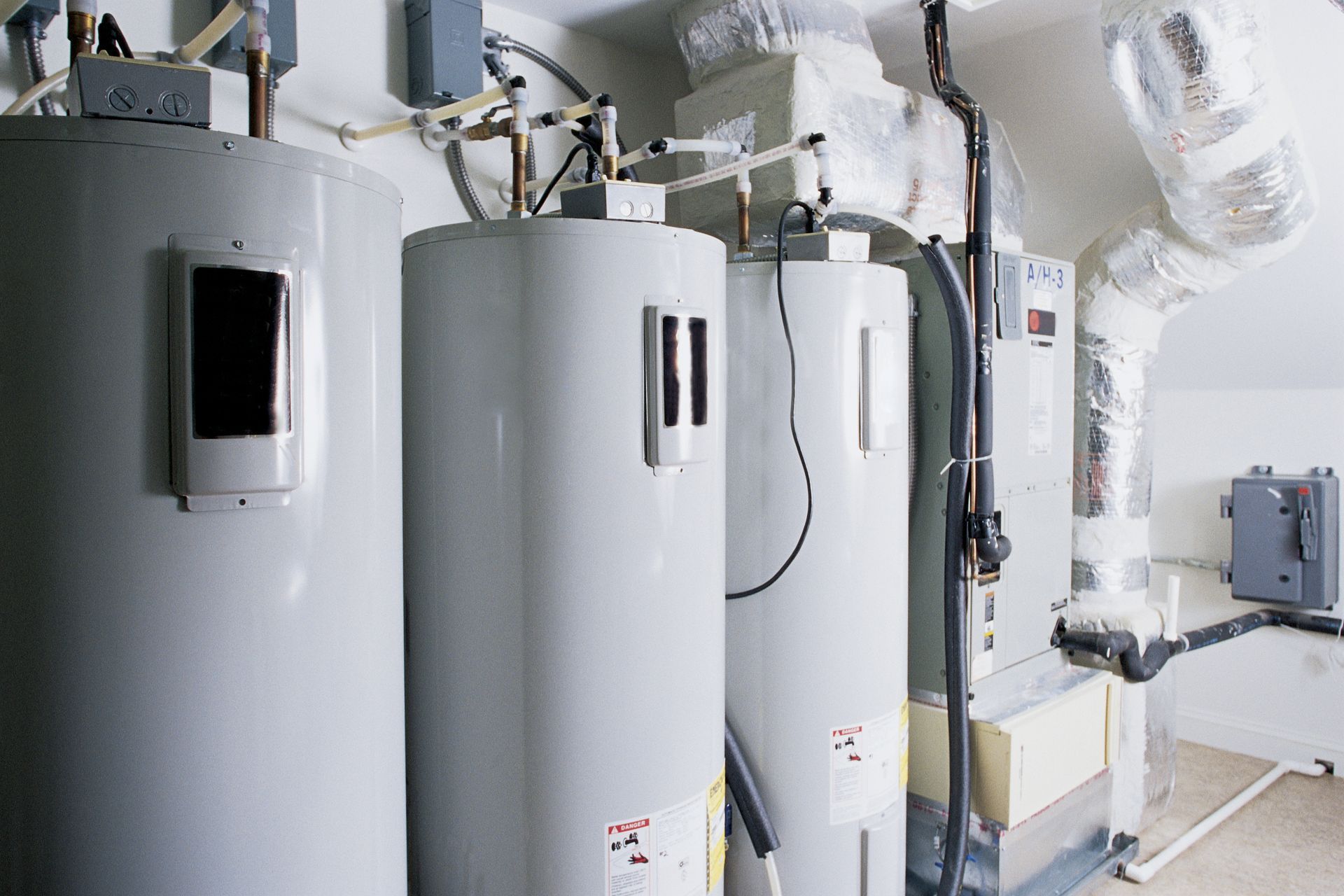
The first decision you will face is choosing between a traditional storage tank and a modern tankless system. Conventional tank heaters are the most common choice, as they have a lower upfront cost and are relatively simple to install. They work by keeping a large volume of water heated and ready for use at all times. However, if your household has a high demand for hot water, such as back-to-back showers and running the dishwasher simultaneously, you may find that a tank system eventually runs out of hot water, requiring a recovery period to heat the next batch.
On the other hand, many homeowners are turning to tankless "on-demand" systems. These units heat water instantly as it flows through the pipes, providing an endless supply of hot water and taking up significantly less space. While the initial investment for a tankless unit and the labor for a plumbing company to install it are higher, the long-term energy savings and the extended lifespan of the unit can make it a superior choice for many. During your consultation, an expert can evaluate your home’s infrastructure and your family’s usage patterns to help you decide which technology is the best fit for your lifestyle and budget.
Evaluating Energy Sources and Efficiency
Water heating is typically the second-largest energy expense in a home, so choosing an efficient fuel source is vital for managing your long-term costs. Most homes use either electricity or natural gas to power their heaters. Gas units generally have a higher initial cost but are often cheaper to operate over time, especially in areas where natural gas prices are low. If you are switching from one fuel source to another, your plumbing company will need to run new gas lines or upgrade your electrical panel to accommodate the change, which will affect the total cost of the project.
In addition to the fuel type, you should look at the Uniform Energy Factor (UEF) rating of the models you are considering. A higher UEF indicates a more efficient unit that loses less heat during the standby or heating process. Many modern high-efficiency units qualify for federal tax credits or local utility rebates, which can help offset the cost of the equipment. A reputable plumbing company will be familiar with the latest energy standards and can point you toward the models that offer the best performance and the fastest return on investment through lower monthly bills.
Sizing the Unit for Your Household
A common mistake in the installation process is choosing a unit that is either too small or unnecessarily large for the home’s needs. For tank-based systems, this is measured by the "first-hour rating," which indicates how much hot water the heater can provide during a busy hour when it starts fully heated. If the rating is too low, you will frequently experience cold showers. Conversely, a tank that is too large will waste energy by heating water that is never used. A professional plumbing company uses a specific formula based on the number of bathrooms and residents in your home to calculate the ideal capacity.
For tankless systems, sizing is based on the "gallons per minute" (GPM) flow rate and the temperature rise required. This is particularly important in colder climates where the incoming groundwater is much chillier, requiring the heater to work harder to reach the desired output temperature. By accurately calculating the peak demand—such as running two showers and a washing machine at once—the plumbing company ensures that you never experience a drop in pressure or temperature. Proper sizing is the key to achieving the perfect balance of comfort and energy conservation.
Addressing Safety and Local Building Codes
Water heater installation involves high-pressure vessels, flammable gases, and high-voltage electricity, making safety the absolute top priority. Every municipality has specific building codes that dictate how a unit must be vented, where it can be located, and what types of safety valves must be present. For example, most codes require a Temperature and Pressure (T&P) relief valve, which prevents the tank from exploding if the thermostat fails. In some areas, earthquake straps or specific drainage pans are also mandatory to prevent damage during a natural disaster or a leak.
When you hire a licensed plumbing company, they handle the permitting process and ensure that every connection meets or exceeds these legal requirements. Proper venting is especially critical for gas-powered units to prevent carbon monoxide from leaking into your living space. An expert installer will verify that the exhaust flues are sized correctly and clear of obstructions. This professional oversight not only protects your family’s safety but also ensures that your homeowner's insurance remains valid and that there are no issues when it comes time to sell your home.
Planning the Physical Installation Site
The location of your water heater can affect its efficiency and the ease of future maintenance. While most heaters are tucked away in a basement, garage, or utility closet, they need adequate clearance for airflow and for a technician to access the unit for repairs. If you are upgrading to a larger tank, you must ensure that the floor can support the increased weight of the water. Your plumbing company will also check that the surrounding area is protected from potential leaks by installing a drain pan and a discharge line that leads to a floor drain or the exterior of the home.
Investing in a new water heater is a significant step toward improving your home's infrastructure and your daily quality of life. By choosing the right technology, fuel source, and size, you can enjoy the peace of mind that comes with a reliable hot water supply. The expertise of a professional plumbing company is the most valuable tool in this process, ensuring that the transition is handled safely and efficiently. If you have noticed that your current system is struggling or if it has passed its prime, don't wait for a breakdown to take action.
Service Solutions is dedicated to providing high-quality installation and maintenance services that keep your home running smoothly. Call Service Solutions today to learn more about our water heater options and how a professional plumbing company can help you choose the perfect system for your needs. We are ready to help you upgrade your home with the hot water you deserve.